Looking for Biowavz? You're in the right place. We are now Potency of Touch LLC.

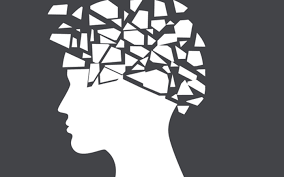
Trauma Release
Trauma Healing Through the Body: How Biodynamic Craniosacral Therapy Supports Recovery
Trauma is best understood as an injury to the body and mind rather than a disorder. It occurs when an experience overwhelms a person’s ability to cope or process what has happened. Trauma may arise suddenly—such as during an accident, medical event, or loss—or develop gradually through prolonged stress, isolation, or repeated difficult experiences.
Trauma can affect people in many ways. Emotional responses often include sadness, fear, anger, shame, or denial. People may notice changes in sleep, recurring dreams, difficulty concentrating, or strain in relationships. Trauma also frequently appears in the body through headaches, dizziness, digestive problems, changes in appetite, fatigue, or chronic tension.
When the nervous system remains under stress for long periods, these patterns can contribute to conditions such as anxiety, depression, dissociation, or post-traumatic stress symptoms. If the stress response remains chronically activated, it can also affect physical health over time, contributing to issues such as high blood pressure, chronic inflammation, digestive disorders, and persistent muscle or pain conditions.
Why Trauma Often Stays in the Body
From a scientific perspective, trauma is closely linked to the nervous system’s survival responses. When a person perceives danger, the body automatically activates fight, flight, or freeze responses designed to protect life.
In many traumatic situations, these responses cannot fully complete. The nervous system may remain partially stuck in survival mode. This can leave the body carrying unresolved stress responses long after the original event has passed.
People may feel constantly on edge, emotionally numb, disconnected from their bodies, or overwhelmed by everyday stress. Others cope by staying busy, withdrawing, or turning to substances or other behaviors that temporarily reduce discomfort.
Until the nervous system is able to settle and complete these protective responses, the body may continue to carry the effects of trauma.
A Somatic Approach: Biodynamic Craniosacral Therapy
Biodynamic Craniosacral Therapy (BCST) is a gentle, trauma-informed approach that works directly with the body’s natural regulatory systems. Instead of focusing only on talking about past experiences, BCST helps the nervous system shift from chronic stress into a state where healing can occur.
During a session, the practitioner uses light touch and careful attention to support the body’s inherent self-correcting processes. The goal is not to force change, but to create conditions in which the nervous system can reorganize itself safely.
As the body moves out of survival patterns, many clients begin to notice subtle but meaningful shifts.
Potential Benefits of BCST
Clients often report improvements such as:
• Reduced stress and nervous system reactivity
• Improved sleep and relaxation
• Greater emotional stability
• Decreased physical tension and pain
• Improved digestion and overall body regulation
• A stronger sense of connection with their body
• Increased resilience when facing daily stress
Over time, people frequently describe feeling more grounded, present, and able to respond to life rather than react to it.
A Safe and Individualized Process
Trauma healing cannot be rushed. BCST sessions are designed to proceed at the pace that each nervous system can safely integrate. Early sessions often focus on building internal resources and helping clients develop a clearer awareness of body sensations—sometimes called a “felt sense.”
As this awareness grows, the nervous system gains the stability needed to release stored stress patterns gradually. This approach helps avoid overwhelm and supports healing without re-traumatization.
Why People Seek BCST
Many individuals seek Biodynamic Craniosacral Therapy when they:
• Feel stuck in chronic stress or burnout
• Experience lingering effects of trauma or prolonged life stress, including PTSD
• Want a body-based approach to emotional healing
• Have symptoms that persist despite traditional approaches
• Are looking for deeper nervous system regulation and resilience
BCST does not replace medical or psychological care, but it can complement other forms of treatment by addressing the body’s role in healing.
When the nervous system finds safety again, the body often begins to restore balance on its own. Energy returns, symptoms soften, and people frequently rediscover a sense of ease that had been missing.
Healing from trauma is possible. Sometimes the body simply needs the right conditions to remember how.